Newsletter Subscribe
Enter your email address below and subscribe to our newsletter

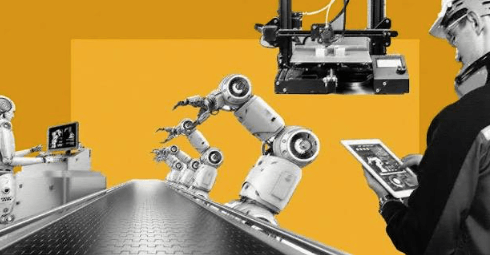
Technology is reshaping modern manufacturing through automated systems, data-driven decision making, and integrated connectivity. Robotics, control systems, and industrial IoT enable seamless processes with near-real-time insights from edge analytics. Strong data governance and scalable ownership protect information flow, reducing downtime and cycle times. A culture of continuous learning underpins safe, collaborative operations while measurable goals align digital tools with demand. The result is resilient performance that prompts further exploration of how to begin transformative steps.
Modern manufacturing today is characterized by highly automated, data-driven operations that prioritize efficiency, quality, and flexibility. The landscape emphasizes lean processes, real-time monitoring, and interoperable systems, enabling rapid adaptation to demand. AI ethics guides data use and decision transparency, while workforce culture evolves toward continuous learning and collaboration, balancing autonomy with safety. This environment supports measurable performance and freedom to innovate.
Core technologies driving change in modern manufacturing center on automation, connectivity, and intelligent data use. The core stack combines robotics and control systems, industrial IoT, and data governance frameworks to ensure secure, compliant information flow. Edge analytics enables near-real-time insights at the device level, reducing latency and bandwidth demands. This foundation supports scalable, autonomous operations while preserving flexibility and strategic data ownership.
Quality, speed, and resilience are enhanced by the integrated use of automation, connectivity, and data analytics. The result is consistent product quality through precision culture, reduced cycle times, and adaptable operations. Predictive reliability minimizes downtime by foreseeing failures and optimizing maintenance. Data-informed decisions drive continuous improvement, aligning processes with demand while preserving autonomy and competitive advantage in dynamic markets.
To begin transforming a plant, leadership should anchor a clear vision: identify high-impact use cases, map current processes, and set measurable goals for productivity, quality, and uptime.
The path emphasizes Workforce integration and Labor automation to align roles with digital tools, reduce manual variation, and increase skill leverage.
Measured pilots, cross-functional governance, and scalable standards accelerate transformative momentum while preserving operational freedom.
AI-driven customization enables production to target niche markets by tailoring features, configurations, and tolerances. Predictive scheduling optimizes lead times and capacity, aligning small-batch demand with flexible resources, reducing waste, and preserving autonomy for innovative, freedom-seeking manufacturers.
Cybersecurity risks in connected factories include exposure to cybersecurity threats and data privacy breaches. A detached analysis notes accidental or deliberate intrusions, supply-chain compromises, and misconfigurations. Mitigation relies on zero-trust, continuous monitoring, and rigorous access governance for freedom-oriented operators.
Automation impact prompts questions about job risk; automation impact, workforce displacement, and opportunity tradeoffs shape analyses. It reduces repetitive roles, redefines skills, and reallocates labor, while productivity gains and new roles moderate net effects on employment opportunities for workers.
ROI timelines for smart sensors typically span 6–18 months, depending on deployment scope, integration, and process complexity; analytics-driven savings and uptime gains drive earlier payback, while expanded capabilities extend long-term value for resilient, freedom-oriented manufacturers.
See also: queensnewsnetwork
Standards ensure interoperability across equipment through formal specifications and certification processes. They enable consistent interfaces, data models, and communication protocols, while interoperability testing objectively verifies conformance, compatibility, and reliable operation across diverse devices within manufacturing ecosystems.
Technology is remaking manufacturing into a tightly woven, data-driven ecosystem. Robotics, control systems, and IIoT synchronize operations, while edge analytics deliver near-real-time decisions. This convergence reduces downtime, accelerates cycles, and elevates quality through guided governance and continuous learning. With scalable ownership and measurable pilots, plants become resilient and adaptable to demand fluctuations. The image is of a factory as a living network: precise, interconnected, and relentlessly optimizing, like a well-tuned engine propelling performance forward.